

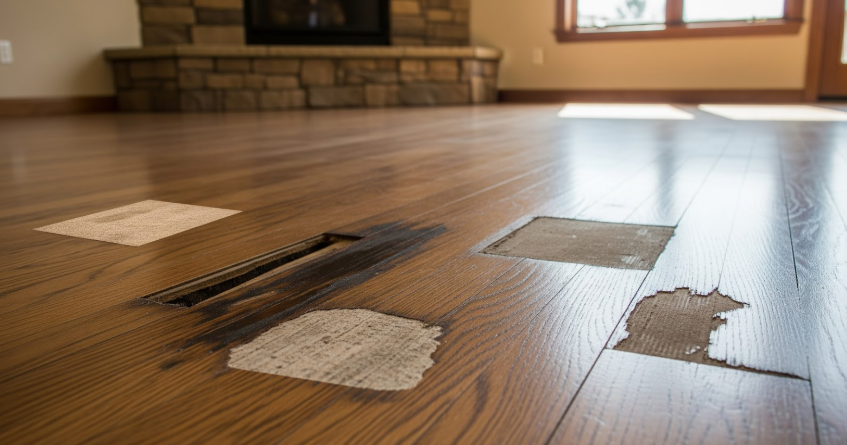
Why Hardwood Needs Special Care in Colorado’s Climate
Hardwood flooring is one of the most timeless and beautiful investments a homeowner can make—but in Colorado Springs, the local climate adds unique challenges. Between dry mountain air, cold winters, and fluctuating humidity, hardwood floors can expand, contract, or even crack if not properly installed and maintained.
Many homeowners make simple but costly mistakes that reduce their flooring’s lifespan. The good news? Every one of these issues can be prevented with the right preparation, materials, and expert guidance. At Diverse Flooring, we’ve helped countless Colorado Springs residents get lasting, stunning hardwood floors—without the headaches.
This guide breaks down the top seven mistakes homeowners make with hardwood flooring and how to avoid them for a long-lasting, flawless finish.
Mistake #1: Skipping Acclimation Before Installation
One of the most overlooked steps in a successful hardwood installation is acclimation—allowing the flooring to adjust to the home’s indoor climate before it’s laid down. In Colorado’s dry, high-altitude environment, this step is critical.
When wood isn’t given time to adapt to indoor temperature and humidity levels, it can expand or contract after installation. That’s when you see unsightly gapping, buckling, or warping. The rule of thumb is to store the flooring inside your home for at least 48–72 hours before installation so it can reach equilibrium with the space.
Professional installers always factor this in, checking moisture content with specialized tools before beginning any project. Skipping acclimation may save a couple of days—but it can cost you years of durability down the road.
Mistake #2: Choosing the Wrong Hardwood Type for the Climate
Not all hardwood floors are created equal, especially in a region like Colorado Springs where humidity levels can swing dramatically from winter to summer. Many homeowners make the mistake of selecting flooring based solely on appearance instead of performance.
Solid hardwood offers beauty and authenticity, but engineered hardwood is far better suited to Colorado’s dry climate. Its multi-layered construction makes it more stable and resistant to movement caused by moisture changes. Engineered options still come in gorgeous finishes—oak, hickory, and maple remain local favorites—and offer the same premium look.
When in doubt, ask your flooring expert for guidance on the best material for your home’s environment and subfloor type. Choosing the right base material now prevents swelling, splitting, and frustration later.
Mistake #3: Ignoring Humidity Control After Installation
Even after professional installation, maintaining a balanced indoor environment is key to protecting your hardwood flooring. Colorado’s winters can be especially harsh on wood because of dry, heated air that pulls moisture out of every surface.
When humidity levels drop below 30%, boards begin to shrink, causing visible gaps and occasional creaks. On the other hand, sudden humidity spikes in the summer can lead to minor swelling. To avoid both extremes, homeowners should consider using a whole-home humidifier or at least room-specific units to keep relative humidity between 35% and 55%.
Small habits—like keeping indoor temperatures stable and using area rugs to insulate floors—also go a long way. Consistent humidity control keeps your floors smooth, strong, and quiet year-round.
Mistake #4: Poor Subfloor Preparation
A floor is only as strong as what lies beneath it. One of the biggest issues we see in do-it-yourself installations is a lack of proper subfloor preparation.
If the surface below your hardwood is uneven, damp, or dirty, problems will show up almost immediately. Boards might creak, gaps will appear, or planks may not lock together correctly. Before installation begins, professionals always check for moisture levels, apply moisture barriers where needed, and use leveling compounds to ensure a flat foundation.
Skipping this stage might not show its effects right away—but over time, it can reduce your flooring’s lifespan and lead to expensive repairs. Trust a trained installation team to handle this step precisely from the start.
Mistake #5: Using the Wrong Cleaning Products
Hardwood flooring is durable, but it’s not indestructible. Many homeowners unintentionally cause surface damage by using harsh or improper cleaning products. Common culprits include oil soaps, waxes, and steam mops—all of which can dull finishes or introduce too much moisture.
The safest method is to use a pH-neutral hardwood cleaner and a soft, slightly damp microfiber mop. Avoid oversaturating the floor, and never pour cleaner directly onto the surface. For daily upkeep, dry dusting or vacuuming with a soft-bristle attachment is perfect.
Regular maintenance with the right products keeps your floor’s finish looking polished while preserving its protective coating. The result? Natural beauty that lasts for decades.
Mistake #6: Neglecting Furniture Pads and Area Rugs
Scratches and dents are some of the most preventable hardwood flooring issues, yet they happen all the time. The main culprits? Furniture legs, high-traffic areas, and pets.
Adding felt pads under chairs, sofas, and tables instantly reduces scuffing. For busy zones like hallways and living rooms, place area rugs or runners to absorb impact. Not only do they protect your floors—they add texture and warmth to your home décor.
Every few months, rotate rugs and furniture slightly to distribute wear evenly. Small, thoughtful actions like these make a big difference in preserving your investment and keeping your floors looking brand-new.
Mistake #7: DIY Installation Without Professional Support
There’s a world of difference between watching an installation tutorial and executing it flawlessly. Hardwood flooring demands precision—correct nail placement, tight joints, proper expansion gaps, and accurate moisture testing. Even small errors can cause major problems over time.
While DIY projects can be rewarding, hardwood flooring is one area where professional installation truly pays off. Certified installers ensure the job meets manufacturer standards, preserving your product warranty and guaranteeing a lasting, stable result.
Partnering with trusted experts like Diverse Flooring means your new floors will be installed right the first time—and come backed by a lifetime installation warranty for total peace of mind.
How to Prevent These Mistakes Altogether
Avoiding these seven mistakes doesn’t have to be complicated. With a little foresight and expert help, you can enjoy flawless hardwood floors that last for generations. Here’s how:
Invest in quality materials suited for Colorado’s dry climate.
Rely on professional installers who understand local conditions.
Maintain indoor humidity through simple, affordable solutions.
Clean smart—use gentle products and avoid excessive water.
Protect high-traffic areas with pads, rugs, and regular upkeep.
Colorado Springs homeowners who take these steps can keep their hardwood floors smooth, elegant, and worry-free for years. To explore durable, beautiful flooring options, check out our selection of hardwood flooring built to handle regional challenges with style.
Invest in Longevity and Local Expertise
Hardwood floors add warmth and value to any home—but only when installed and maintained properly. With the right guidance, you can avoid costly missteps and enjoy the timeless look of real wood beneath your feet.
At Diverse Flooring, we combine decades of experience with trusted brands like Mohawk and Karastan to deliver high-performance floors designed for life in Colorado. Whether you’re renovating, building, or upgrading, our experts are here to help you find the perfect balance of beauty and durability.
Ready to take the next step? Reach out to us today for personalized recommendations or to schedule your in-home consultation.


